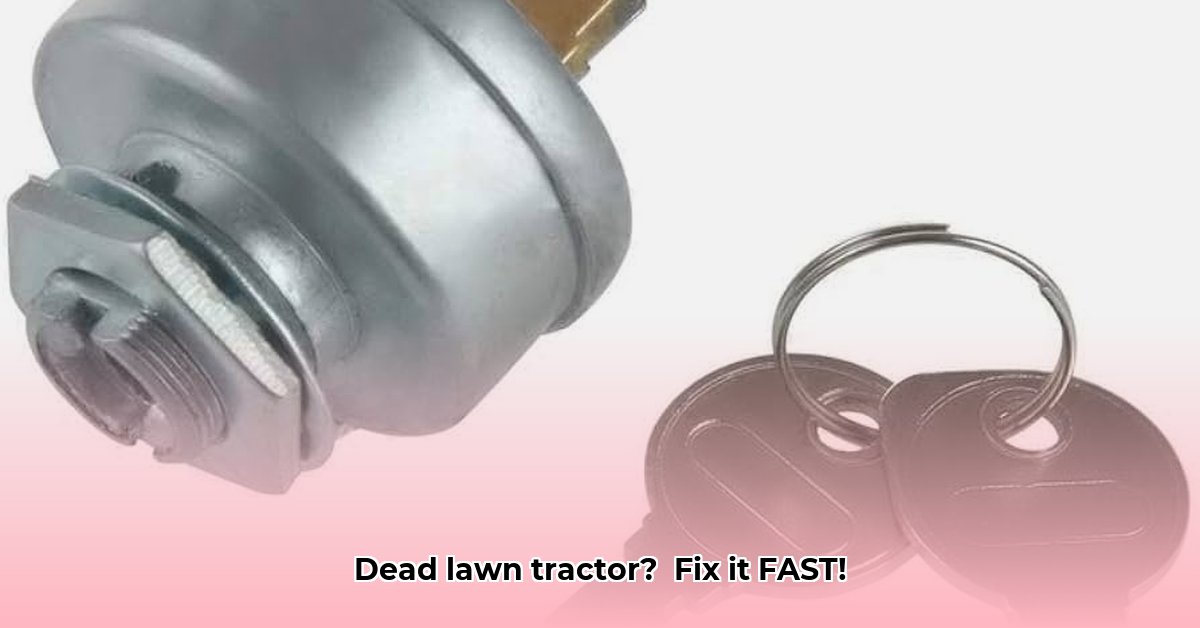
Understanding Your Lawn Tractor's Ignition Switch
A balky lawn tractor can quickly turn a pleasant weekend chore into a frustrating ordeal. Often, the culprit isn't a major engine failure, but a simple, easily replaceable part: the ignition switch. This unassuming component controls the flow of electrical power to your engine, and a faulty switch renders your tractor useless. Understanding its importance, selecting the right replacement, and knowing how to install and maintain it are key to keeping your lawn care efficient and stress-free. This comprehensive guide will equip you with the knowledge and steps to tackle this common problem. For more troubleshooting tips, see this helpful guide: Troubleshooting Guide.
Choosing the Right Ignition Switch
Selecting the correct replacement ignition switch is critical. The wrong switch won't work, leading to wasted time and money. Follow these steps for a successful replacement:
Identify Your Tractor: Locate your lawn tractor's model and serial number (usually found on a sticker under the seat or on the chassis). This information is crucial for ensuring compatibility with a replacement switch. Without it, finding the correct part is nearly impossible.
Assess Your Needs: Consider your tractor's environment. If it's stored outdoors, a weather-resistant switch is essential. Look for switches made from high-quality, durable materials (e.g., weatherproof sealed housings) to withstand the elements.
Check Amperage: The amperage rating of the ignition switch must match or exceed your tractor's electrical demands. An undersized switch will overheat and fail, so be sure to verify compatibility.
Installing Your New Lawn Tractor Ignition Switch: A Step-by-Step Guide
Replacing your ignition switch is a manageable DIY project for many homeowners. Remember to always consult your owner's manual for model-specific instructions, as steps may vary.
Safety First: Always disconnect the negative (-) battery terminal before beginning any electrical work. This crucial step prevents accidental shocks and short circuits.
Steps:
Access the Ignition Switch: Remove any necessary panels or components to gain access to the ignition switch. Use photos or notes to document the process for easier reassembly.
Remove the Old Switch: Carefully disconnect the wiring harness from the old switch. Note the color-coding and position of each wire. Take pictures!
Install the New Switch: Mount the new switch securely in its place. Ensure that it is correctly oriented.
Connect the Wiring: Connect the wires to the new switch, matching the color codes and positions precisely to those of the old switch. Double-check your work before proceeding.
Reconnect and Test: Reconnect the negative battery terminal. Insert the key and attempt to start the tractor. If the engine starts smoothly, the installation was successful. If not, double-check all connections.
Maintaining and Troubleshooting Your Lawn Tractor Ignition Switch
Preventative maintenance is key to prolonging the life of your ignition switch and preventing costly repairs.
Regular Inspection: Periodically inspect the switch for corrosion, loose connections, or physical damage. Clean any dirt or debris. Corrosion can hinder electrical conductivity, causing starting issues.
Cleaning: Use a wire brush and electrical contact cleaner to remove corrosion from the switch contacts. This simple step can resolve many minor problems.
Common Problems and Solutions:
| Problem | Possible Cause(s) | Solution |
|---|---|---|
| Tractor Won't Start | Faulty ignition switch, dead battery, wiring issues | Check battery voltage, inspect wiring, then test the switch. |
| Intermittent Starting | Loose connections, corroded contacts | Clean and tighten all connections, then replace if necessary. |
| Switch Feels Loose | Physical damage, worn-out parts | Replace the switch. |
The Future of Lawn Tractor Ignition Switches
While the basic function remains the same, technology is constantly evolving. Expect to see advancements in:
- Durability: More robust, weather-resistant designs capable of withstanding harsh conditions.
- Electronic Systems: Increased use of electronic ignition systems is likely, offering improved reliability and security.
Remember: This guide provides general information. Always consult your owner's manual for specific instructions and safety precautions related to your lawn tractor model. When in doubt, seek professional assistance. Keeping your ignition switch in optimal condition ensures reliable starts, maximizing your tractor's lifespan and your enjoyment of lawn care.